
Building a home is one of the most significant milestones in life, and understanding the process can make the journey less overwhelming. When considering the construction of a new home, many homeowners feel uncertain about where to start, what steps are involved, and how long it will take. By breaking down the process into clear phases—from planning and design to construction and final inspection—you can gain confidence in your investment and ensure your dream home is built to last.
Planning Your New Home Construction
The planning stage is the foundation of your entire project. Careful decisions made here can save time, money, and stress down the road.
Choosing the Right Location
Location determines much more than where you live—it influences property value, accessibility, and your overall lifestyle. Consider factors such as school districts, commute times, neighborhood amenities, and long-term growth potential. Before finalizing a plot, conduct a thorough evaluation of zoning laws, soil stability, and utility access. These factors directly impact the feasibility and cost of your project.
Setting a Budget for Your New Home
Budgeting involves more than tallying construction expenses. It should also account for permits, design fees, site preparation, landscaping, and unforeseen contingencies. A detailed budget ensures you can manage the construction of a new home without unexpected financial strain. Many homeowners secure pre-approved financing or construction loans, which provide a clear picture of affordability and set realistic expectations from the start.
Selecting a New Home Builder
Your builder is your project’s partner. Look for licensed professionals with proven experience in residential construction. Review portfolios, request references, and ask about warranties or post-construction support. The right builder should communicate clearly, provide transparent cost estimates, and deliver a timeline that aligns with your expectations.
Designing Your New Home
Design is where ideas begin to take shape. A well-thought-out design balances your lifestyle, aesthetics, and budget.
Custom Floor Plans vs. Pre-Designed Plans
Custom floor plans give you complete control over layout, but they typically involve higher costs and longer timelines. Pre-designed plans, on the other hand, are efficient, affordable, and easier to modify. The decision often depends on whether you prioritize individuality or cost savings.
Architectural Styles and Features
From modern minimalist homes to traditional craftsman builds, architectural style dictates the personality of your property. Consider both curb appeal and interior flow. Features like vaulted ceilings, open-concept kitchens, or covered porches not only enhance your lifestyle but also add long-term value to the home.
Incorporating Energy Efficiency & Smart Home Technology
Energy-efficient homes are no longer optional—they are essential for sustainability and lower utility bills. Incorporating features like high-performance insulation, energy-efficient windows, and solar panels ensures long-term savings. Adding smart home technology—such as automated lighting, security systems, or climate control—provides convenience and modern appeal.
The Construction Process Step-by-Step
Once your plans are finalized, the actual building process begins. Each step builds upon the last, resulting in a fully functional, livable home.
Site Preparation and Foundation
Excavation and Grading
Construction begins with clearing the land of trees, rocks, or debris. Grading ensures proper drainage and prevents future water issues. This step creates a stable base for the home.
Laying the Foundation
Concrete footings and slabs are poured to form the structural base of your home. Depending on soil conditions and climate, foundations may include basements, crawl spaces, or slab-on-grade. Proper curing time is crucial to prevent cracks or instability later.
Framing and Structural Work
Walls, Roof, and Floors
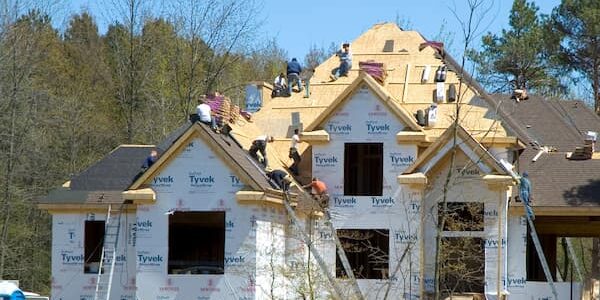
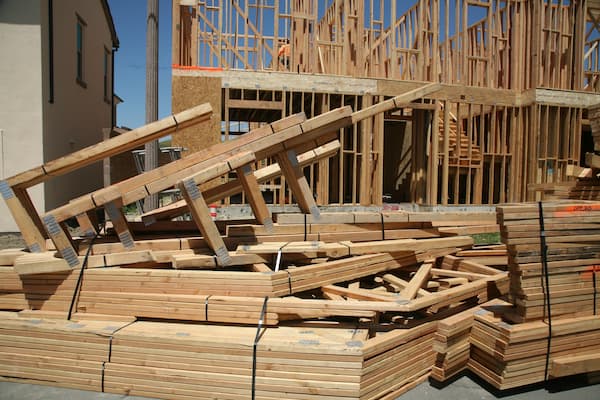
Framing defines the skeleton of your home. Builders install walls, subfloors, and roof trusses to create the basic shape. This phase provides the first glimpse of your home’s size and structure.
Installing Windows and Doors
Windows and doors are installed early to secure the structure and allow interior work to progress safely. At this stage, the home is considered “dried in,” meaning it is protected from outside elements.
Plumbing, Electrical, and HVAC
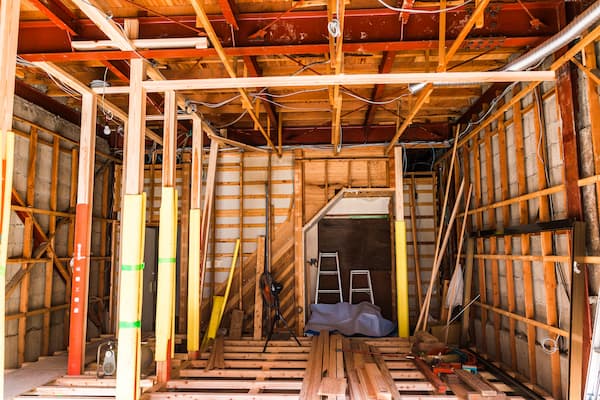
The next step involves installing pipes, wiring, and ductwork. Licensed tradespeople ensure that systems meet local building codes. Proper planning during this phase prevents costly modifications later.
Insulation and Drywall Installation
Insulation is added to walls, ceilings, and floors to regulate temperature and improve energy efficiency. Once complete, drywall is hung, taped, and sanded, transforming the open framework into finished rooms.
Interior Finishes and Exterior Work
Flooring, Cabinets, and Fixtures
Interior finishes bring personality and functionality. Choices for flooring, cabinetry, countertops, and light fixtures reflect your style and budget. Quality materials in these areas enhance durability and aesthetic appeal.
Painting and Exterior Landscaping
Painting provides the final touches to interior walls and ceilings, while exterior siding and trim complete the look of your home. Landscaping—such as driveways, patios, lawns, and garden beds—establishes curb appeal and completes the outdoor environment.
Final Steps Before Moving In
As construction nears completion, several important steps ensure your home is safe, compliant, and ready for occupancy.
Inspection and Quality Checks
Independent inspections confirm that electrical, plumbing, and structural work meets local regulations. Builders also perform their own quality checks to ensure finishes are flawless and systems function correctly.
Obtaining Occupancy Permits
Local authorities issue occupancy permits once all requirements are met. This legal document certifies that the home is safe to inhabit and compliant with building codes.
Final Walkthrough with the Builder
Before moving in, homeowners conduct a walkthrough with the builder. This step allows you to review the home in detail, note any imperfections, and confirm that all contracted work has been completed. Addressing small issues now prevents bigger frustrations later.
Building Confidence in Your Home Journey
Understanding each phase of the construction of a new home gives you peace of mind and helps you make informed decisions. From selecting the right location and designing the perfect floor plan to watching your dream house take shape step by step, the process requires careful planning and collaboration. With a trusted builder by your side, the result is not just a house, but a home built to reflect your vision, lifestyle, and future.
Frequently Asked Questions (FAQs)
How long does the construction of a new home usually take?
The timeline for constructing a new home typically ranges from six months to one year, depending on the design complexity, permitting requirements, weather conditions, and the builder’s scheduling efficiency.
What factors affect the cost of building a new home?
Several factors influence costs, including location, square footage, material selections, labor availability, and design customization. Unexpected site conditions or mid-project changes can also significantly increase the overall budget.
Can I make changes during construction?
Homeowners may request modifications during construction; however, such changes often impact costs, timelines, and design flow. Early planning and clear communication with the builder help minimize complications.
How do I choose the right builder for my new home?
Selecting the right builder involves reviewing licenses, experience, and past projects, checking client references, and assessing the builder’s communication style. Transparency in pricing and warranty offerings is also a key consideration.
Start Your Dream Home with Greg Windemuller Builders
Turn your vision into reality with the expertise of Greg Windemuller Builders. From planning to finishing touches, our team ensures quality, transparency, and lasting value. Contact us today to begin building your future.