


An old home renovation is an opportunity to preserve the craftsmanship and history of a property while making it safer, more comfortable, and better suited for modern living. Throughout West Michigan, homeowners cherish everything from century-old farmhouses in Hamilton and Zeeland to historic lakeshore homes in Holland and Saugatuck. These properties offer timeless character, but they also present unique challenges that require careful planning and experienced construction professionals.
Whether you’re restoring an old house in Michigan or planning a complete historic home remodeling West Michigan project, understanding the structural, architectural, and regulatory aspects of older homes can help you make informed decisions and protect your investment.
Common Structural Challenges in Historic West Michigan Properties
Historic homes were built using materials and construction methods that differ significantly from today’s standards. Before cosmetic improvements begin, it is essential to evaluate the home’s structural condition to ensure the renovation is built on a solid foundation.
Addressing Sagging Foundations and Settled Floor Joists
Many historic homes throughout Allegan County, Ottawa County, and the West Michigan lakeshore have experienced decades of natural settling. Combined with shifting sand tables and changing soil conditions near the shoreline, these movements can result in:
- Uneven floors
- Cracked plaster walls
- Sticking doors and windows
- Bowing or sagging floor joists
- Foundation settlement
Rather than simply covering these issues with new flooring or finishes, a comprehensive assessment identifies the underlying structural causes. Addressing these problems early creates a safer home while preventing additional damage during the renovation process.
For homes with significant structural movement, working with professionals specialized in historic restoration and structural improvements is especially important, as repairs must preserve the home’s integrity while meeting modern building standards.
Upgrading Outdated Plumbing and Vintage Electrical Systems
One of the most common discoveries during a historic renovation is aging infrastructure hidden behind walls and beneath floors.
Older homes may still contain:
- Galvanized steel plumbing
- Cast iron drain lines
- Knob-and-tube wiring
- Undersized electrical panels
- Insufficient outlets for today’s appliances
Modernizing these systems improves safety, reliability, and energy efficiency without sacrificing the home’s architectural character. Careful planning allows new utilities to be installed discreetly while preserving original finishes whenever possible.
Managing Hidden Water Damage from Lakeshore Humidity and Changing Seasons
West Michigan’s climate presents unique challenges for older properties. Homes located near Lake Michigan often experience elevated humidity, freeze-thaw cycles, and seasonal moisture fluctuations.
Over time, these conditions can contribute to:
- Rotting structural framing
- Mold growth
- Damaged insulation
- Deteriorated subflooring
- Window and roof leaks
Water damage is often concealed behind finished walls or beneath flooring until demolition begins. Identifying and correcting moisture sources before reconstruction helps protect both the structural integrity and long-term durability of the renovation.
Essential Tips for Preserving Architectural Character During a Remodeling Project
The goal of a successful old home renovation is not simply to modernize the property but to celebrate its original craftsmanship while improving functionality for today’s lifestyle.
Restoring Original Historic Millwork, Trim, and Period Hardwood Flooring
Many older homes throughout West Michigan contain handcrafted details that cannot easily be replicated.
These features may include:
- Crown molding
- Built-in cabinetry
- Decorative staircases
- Original hardwood flooring
- Solid wood doors
- Window casings
Whenever possible, restoring these original elements maintains authenticity and often increases the home’s long-term value.
Similarly, selecting complementary paint colors that reflect the home’s architectural period can enhance its character while giving interior spaces a refreshed appearance. Whether updating a welcoming living room or preserving original trim, thoughtful design decisions help maintain the home’s unique personality.
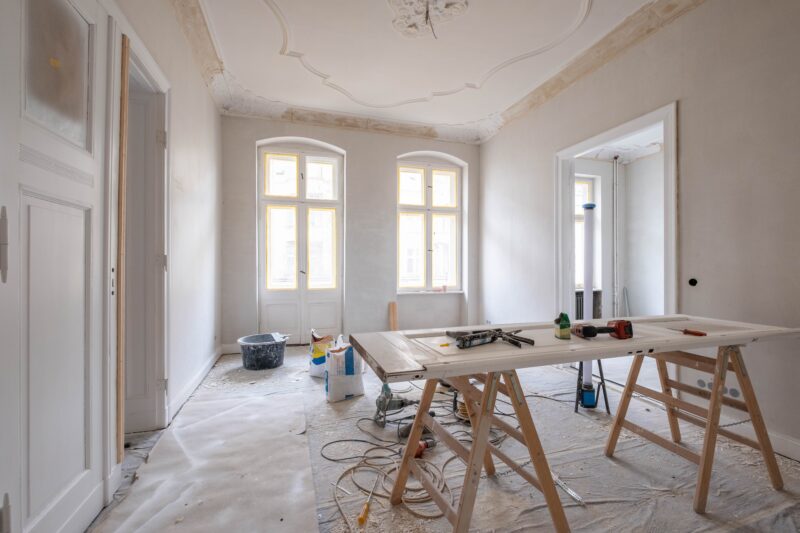
Sourcing Era-Accurate Materials and Matching Custom Structural Profiles
Matching materials in older homes requires more than selecting products that appear similar. Historic properties often feature lumber dimensions, molding profiles, brick sizes, and architectural details that differ from modern construction.
A quality historic preservation construction project may involve custom fabrication to recreate:
- Decorative trim profiles
- Historic window casings
- Specialty siding
- Original stair components
- Period-style cabinetry
For homeowners planning a farmhouse kitchen, selecting timeless cabinetry, natural wood finishes, and a classic farmhouse sink can provide modern convenience while remaining faithful to the home’s original style.
Attention to these details allows new work to blend seamlessly with the existing structure instead of appearing as a separate addition.
Navigating Local Lakeshore Historic District Commission Guidelines and Permits
Some communities throughout West Michigan have historic districts with regulations designed to protect neighborhood character.
Depending on the property’s location, homeowners may need approval for:
- Exterior modifications
- Window replacements
- Roofing materials
- Porch restoration
- Additions
- Siding changes
Understanding local permitting requirements early helps prevent project delays and ensures the renovation aligns with community preservation standards.
For homeowners considering historic home remodeling West Michigan, partnering with experienced professionals who understand these approval processes can make planning significantly smoother.
How to Plan and Budget for Your Classic West Michigan Home Restoration
Every historic property is unique, making careful planning essential before construction begins.
Balancing Modern Energy Efficiency Upgrades with Vintage Aesthetics
Improving comfort does not require sacrificing architectural charm.
Today’s renovation strategies allow homeowners to integrate:
- High-performance insulation
- Energy-efficient windows designed to complement historic styles
- Updated HVAC systems
- Improved air sealing
- Modern lighting technology
These upgrades reduce energy costs while preserving the home’s original appearance.
In spaces such as the kitchen, combining traditional design with contemporary performance creates functional living environments that honor the home’s history. A thoughtfully designed farmhouse kitchen, for example, can include modern appliances hidden behind custom cabinetry to maintain a timeless aesthetic.
Allocating Contingency Funds for Unforeseen On-Site Structural Discoveries
Unlike newer homes, older properties frequently reveal unexpected conditions once walls, ceilings, or flooring are opened.
Common discoveries include:
- Hidden structural deterioration
- Previous improper repairs
- Pest damage
- Asbestos or lead-based materials
- Inadequate framing
- Foundation issues
For this reason, renovation professionals often recommend setting aside a contingency budget of approximately 10% to 20% of the total project cost.
Planning for unforeseen conditions reduces financial stress and allows necessary repairs to be completed without compromising the overall project.
Homeowners searching for a farmhouse renovation near me often underestimate how common these discoveries are in older rural homes, making contingency planning an important part of any successful restoration.
Why Greg A Windemuller Builders is West Michigan’s Trusted Choice for Historic Restorations
Historic renovations require specialized knowledge beyond standard remodeling. Greg A Windemuller Builders combines expertise in custom home construction, remodeling, and structural home moving to restore older properties throughout West Michigan. Our team carefully addresses structural concerns while preserving the architectural details that define each home’s history, beauty, and lasting value.
Every restoration begins with thoughtful planning, open communication, and solutions tailored to your home’s unique needs. As trusted West Michigan home renovation contractors with experience in historic preservation, we deliver lasting results backed by our industry-leading 5-Year Workmanship Guarantee, giving homeowners confidence throughout every old home renovation project.
Ready to restore your historic home with confidence? Trust Greg A Windemuller Builders for expert renovation, structural restoration, and custom remodeling services. Contact us today to start planning your project.